Homestead Animals
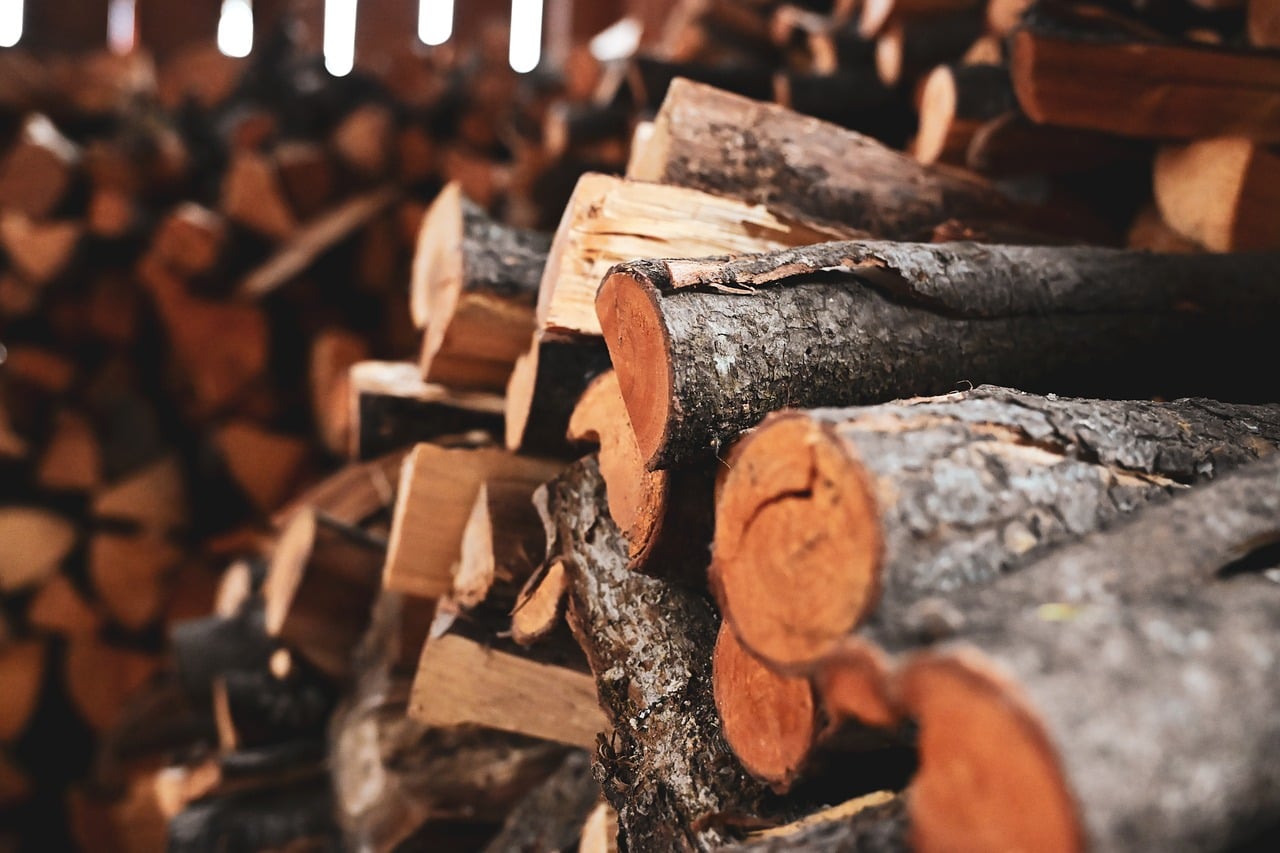
Heating with wood is one of those skills that looks simple from the outside and turns out to have a steep learning curve. We learned the hard way, with a winter of smoky fires, damp wood, and a chimney that needed cleaning twice because we burned green fuel. Now that we have a few seasons behind us, wood heat is our primary warmth from October through April, and it is one of the most satisfying parts of homestead life. Here is what we wish someone had told us at the start.
The first lesson is that wood heat starts in the spring, not in the fall. If you want dry wood for winter, you need to cut and split it a full year ahead, ideally more. Softwoods like pine and fir dry faster, but hardwoods like oak, maple, and ash give more heat per cord and burn longer. We aim for a mix, using softer wood for quick morning fires and hard wood for overnight burns.
Cutting your own wood is real work, and it is also where the savings live. If you have standing dead trees or storm fall on your property, that is free heat waiting to be processed. Learn to read a tree before you cut it. Dead standing wood is often already partly dry, but it can be dangerous to fell. Never cut alone, wear a hard hat and chaps, and take a chainsaw safety course if you are new to it. A mistake with a saw is not something you walk away from.
Splitting can be done by hand with a maul or with a hydraulic splitter. For a family heating with wood, a splitter pays for itself quickly in saved time and sore backs. Split wood dries far faster than rounds, so split everything you can, even the pieces you think are small enough. Stack it off the ground on pallets or rails and cover only the top, leaving the sides open to the wind. Airflow is what dries wood, not heat. A tarp draped over the whole pile traps moisture and rots the wood from the inside.
Stack in a sunny, windy spot if you can, and do not stack against the house. You want air moving through the pile and pests staying away from your walls. We stack in long rows facing the prevailing wind, and we leave a gap between rows so nothing sits damp.
Dry wood is the whole game. Seasoned wood has cracks in the end grain, feels light, and sounds hollow when you knock two pieces together. Wet wood hisses, smolders, and coats your chimney with creosote, which is the stuff that causes chimney fires. If you are not sure your wood is dry, buy a moisture meter. Anything above twenty percent moisture should not go in the stove.
Build small, hot fires rather than big, smoldering ones. A hot fire burns clean and produces less smoke and less creosote. Keep the stove and flue in good repair, and have the chimney cleaned at least once a year, more often if you burn a lot. Keep a fire extinguisher nearby and make sure everyone in the house knows how to use it. Never leave a fire unattended, and never burn trash, treated lumber, or Christmas wrapping in a wood stove. Those release toxins into your home and your chimney.
Wood heat rewards planning. Cut in spring, stack in summer, burn in winter. Get ahead of your wood supply and you will never scramble in November. It is quiet, it is warm, and it ties your family to the rhythm of the seasons in a way a thermostat never will.
