Livestock
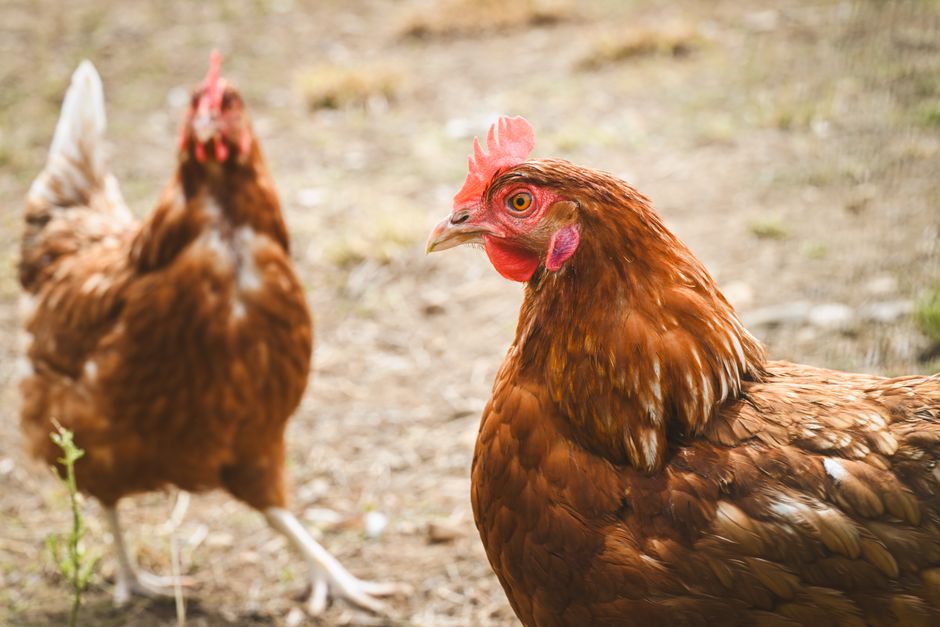
When we moved onto our five acres, the first structure we planned was a big, beautiful chicken coop. Then life happened, the budget shrunk, and we ended up with a flock of twelve hens and no coop at all. Instead of panicking, we improvised, and what started as a temporary fix turned into the way we raise chickens now. It is not for everyone, and it depends a lot on your climate and predator pressure, but for us, keeping chickens without a traditional coop has been cheaper, cleaner, and frankly more enjoyable.
The foundation of our setup is a movable electric net fence. We use a lightweight net charged by a small solar energizer, and we rotate the flock across our pasture every few days. The birds get fresh grass, the manure gets spread instead of piling up, and the hens stay busy scratching for bugs, which cuts down on feed costs and keeps them from getting bored. Bored chickens are destructive chickens, and a bored flock will find ways to annoy you.
Instead of a fixed building, we built a few simple roosting bars on skids. They are basically an A-frame with a metal roof and perches underneath, light enough that one person can drag them to the next paddock. The hens hop up at dusk and sleep in the open air, protected from rain and snow overhead but exposed to the breeze. In our mild winters that has been fine. If you live somewhere with brutal cold or heavy snow, you will want more wind protection, and honestly a real coop may be the wiser choice.
The nesting situation is even simpler. We set out a few covered plastic totes with straw in them along the fence line, and the hens use them reliably. They like a dark, quiet corner, so we tuck the nest boxes under the roost shelter or behind a hay bale. We collect eggs every morning, which also means we notice problems early, from a limping hen to a soft-shelled egg.
I will not pretend this is a predator-proof system. Electric netting stops raccoons, foxes, and most dogs, but hawks and owls can still pick off a bird in daylight or at dusk. We lost two hens the first year before we added a canvas shade cloth overhead and trained the flock to come running for a bucket of scratch. Now they stay close when we are around, and we keep a livestock guardian dog who sleeps near the paddock. That combination has worked, but it took losses to teach us.
Weather is the other consideration. Chickens handle cold far better than people expect, but they hate wind and wet. Our roost shelter has a solid wall on the prevailing wind side, and we bed the ground under it with deep straw in winter. During storms we sometimes move the whole setup behind the barn for a windbreak. It is more work than walking to a fixed coop, but it also means we are out with the flock twice a day, which keeps us tuned in to their health.
Would I recommend this for a family just starting out? Maybe not for your first flock. A simple coop is forgiving. But if you are short on money, short on building skills, or just want a flock that lives like chickens instead of confined birds, an open-air setup with good fencing and a movable shelter is worth trying. Start small, keep a close eye on them for the first few weeks, and let the pasture do a lot of the work for you.
