Homestead Skills
Laundry is the chore that breaks a lot of off-grid dreams. It is heavy, it is constant, and a family of five generates an intimidating pile of dirty clothes every week. When we cut the cord to grid power, we knew we had to solve laundry honestly, not just hope it would work out. Two years in, we have a routine that keeps everyone in clean clothes without a washing machine drawing from a battery bank.
Our setup is simple. We have a hand-cranked washer for most loads, a five-gallon bucket and plunger for small or delicate items, and a good wringer that clamps to a tub. The wringer is the piece people skip, and it is the piece that saves your hands and your sanity. Wringing by hand twists fabric and wears you out. A decent wringer gets clothes damp-dry in seconds, which makes line drying fast even on cloudy days.
The secret to off-grid laundry is not the equipment, it is the schedule. We wash one load a day instead of saving everything for a marathon Saturday. One load takes about twenty minutes of active work, and then it hangs while we do other chores. Small, frequent loads also mean we never face a mountain of wet fabric with nowhere to put it.
We sort by color and fabric weight, just like anyone else, and we wash in warm water heated on the wood stove in winter or in a solar shower bag in summer. Cold water works for most things, and it saves the effort of heating. We use a fraction of the detergent a machine would need, which saves money and rinses out faster. A little white vinegar in the rinse water softens fabric and cuts soap residue, especially on towels.
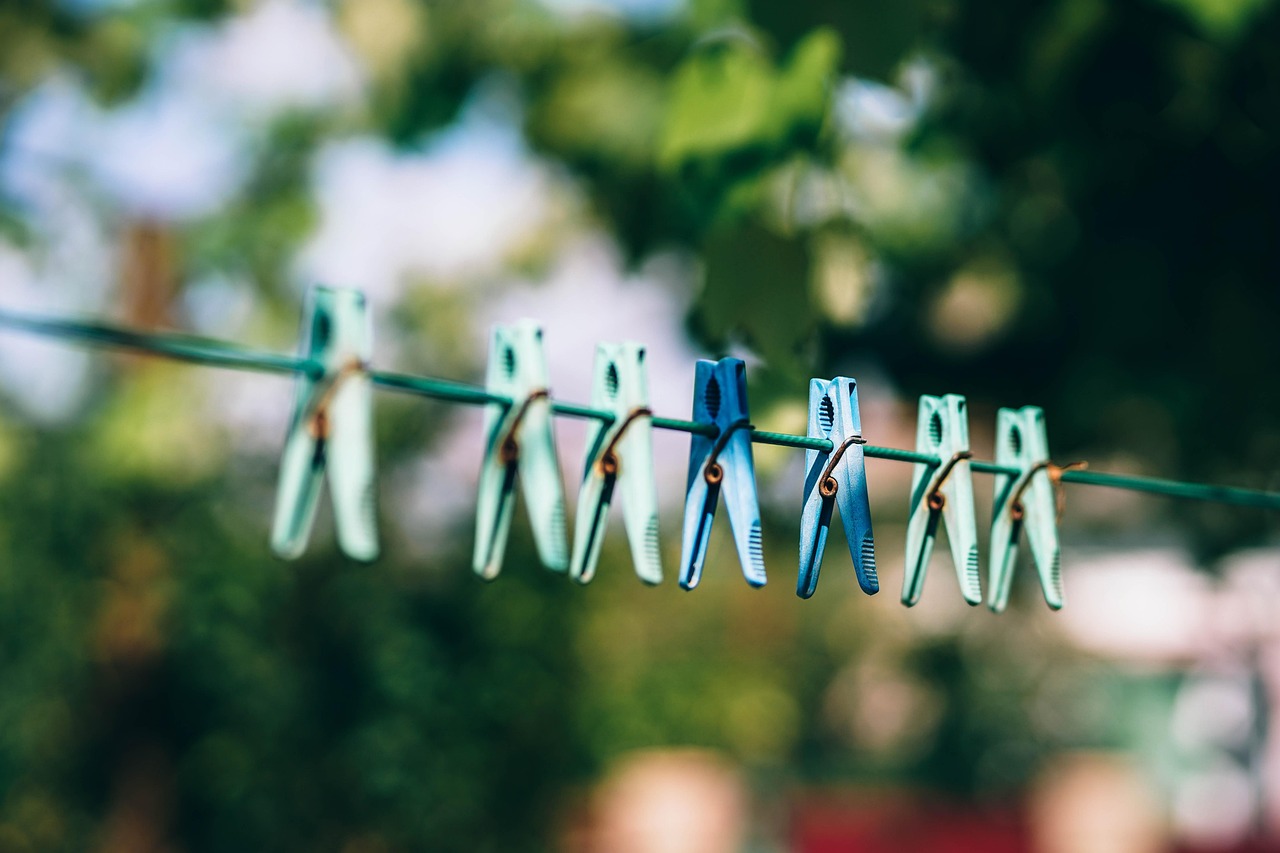
Line drying is the easy part, and it is where off-grid laundry actually beats a machine. Sunlight bleaches stains and kills odors. Wind does the rest. We have a long line between two posts and a folding rack for rainy days. In winter we dry inside near the stove, which also adds humidity to dry cabin air. Clothes come off the line stiff, and a quick shake or a few minutes by the fire softens them right up.
Farm clothes get gross. There is no polite way to say it. Mud, manure, grease, and blood all need pre-treatment, and a hand washer will not save you if you skip that step. We keep a bucket of cold water with a scoop of oxygen bleach for soaking stained items overnight before they go in the wash. Grease gets a dab of dish soap rubbed in before washing. Blood needs cold water only, since hot water sets it permanently.
Diapers and heavily soiled work clothes get a pre-rinse in a separate bucket, then a hot wash. It is more steps, but it keeps the main wash water cleaner and the whole system smelling better. We also keep a dedicated bucket for anything from the barn so it does not contaminate the regular laundry.
Is this as convenient as a machine? No. Is it manageable for a family? Yes, if you build the habit and get the right tools. The wringer and a good drying line matter more than the washer itself. Start with one load a day, keep your detergent simple, and let the sun do the heavy lifting. Your clothes will last longer, your power bill will not exist, and you will never look at a laundry room the same way again.
