Gardening
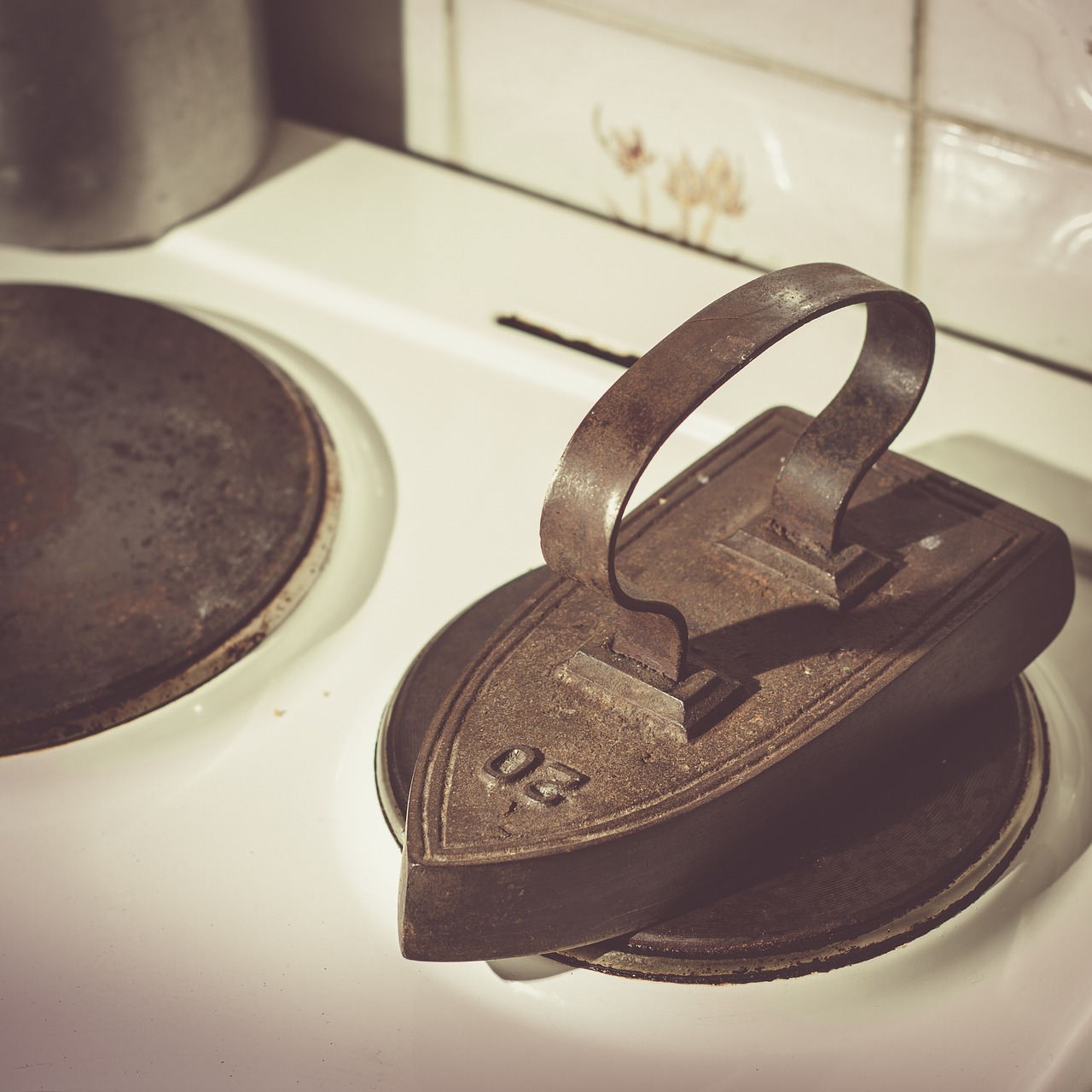
There is a romantic picture of homestead cooking that involves slow mornings, fresh bread, and a kitchen that smells like herbs. The reality for most families is that dinner still has to happen after a long day of chores, homeschooling, and whatever else life throws at you. We learned quickly that cooking from scratch is not about being perfect; it is about building habits that make the work easier. With a few simple systems, you can put real food on the table without feeling like you need to spend all day in the kitchen.
The single biggest change we made was cooking in larger batches. When we make soup, chili, or stew, we double or triple the recipe and freeze the extra in meal-sized containers. On a busy night, dinner is simply a matter of thawing and reheating. The same goes for beans, rice, and grains. Cooking a big pot of beans on the weekend gives you the base for several meals, and it costs far less than canned. We also keep a well-stocked pantry of staples: flour, oats, rice, dried beans, canned tomatoes, and home-canned vegetables. When the pantry is full, a meal is never far away.
Bread is another area where a little planning pays off. We mix dough in the evening and let it rise overnight, so it is ready to bake in the morning. A simple no-knead recipe takes minutes to assemble and produces a loaf that beats anything from the store. If you have a sourdough starter, even better, because it improves with age and needs only flour and water. We also keep a jar of homemade yogurt going, which takes almost no active time and gives us a steady supply for breakfast and cooking.
Not every meal needs to be a project. Some of our favorite dinners are the simplest: roasted vegetables with sausage, eggs and home fries, or a big pot of rice and beans with whatever greens are in season. These meals use basic ingredients, come together quickly, and taste good even when you are tired. We keep a list of ten easy meals on the fridge so no one has to think too hard at the end of the day. That list has saved us from takeout more times than I can count.
Shortcuts are not cheating. A food processor, a slow cooker, and a good cast iron skillet earn their place in a homestead kitchen. So does a well-organized spice shelf and a stack of clean dish towels. We also involve the kids, not because it is cute, but because many hands make the work lighter and they learn skills they will need later. The goal is not to impress anyone. It is to feed your family well, use what you grow and raise, and keep the kitchen running even when life is full. Start with one habit, like baking bread once a week or cooking beans on Sunday, and build from there.
