Food Preservation
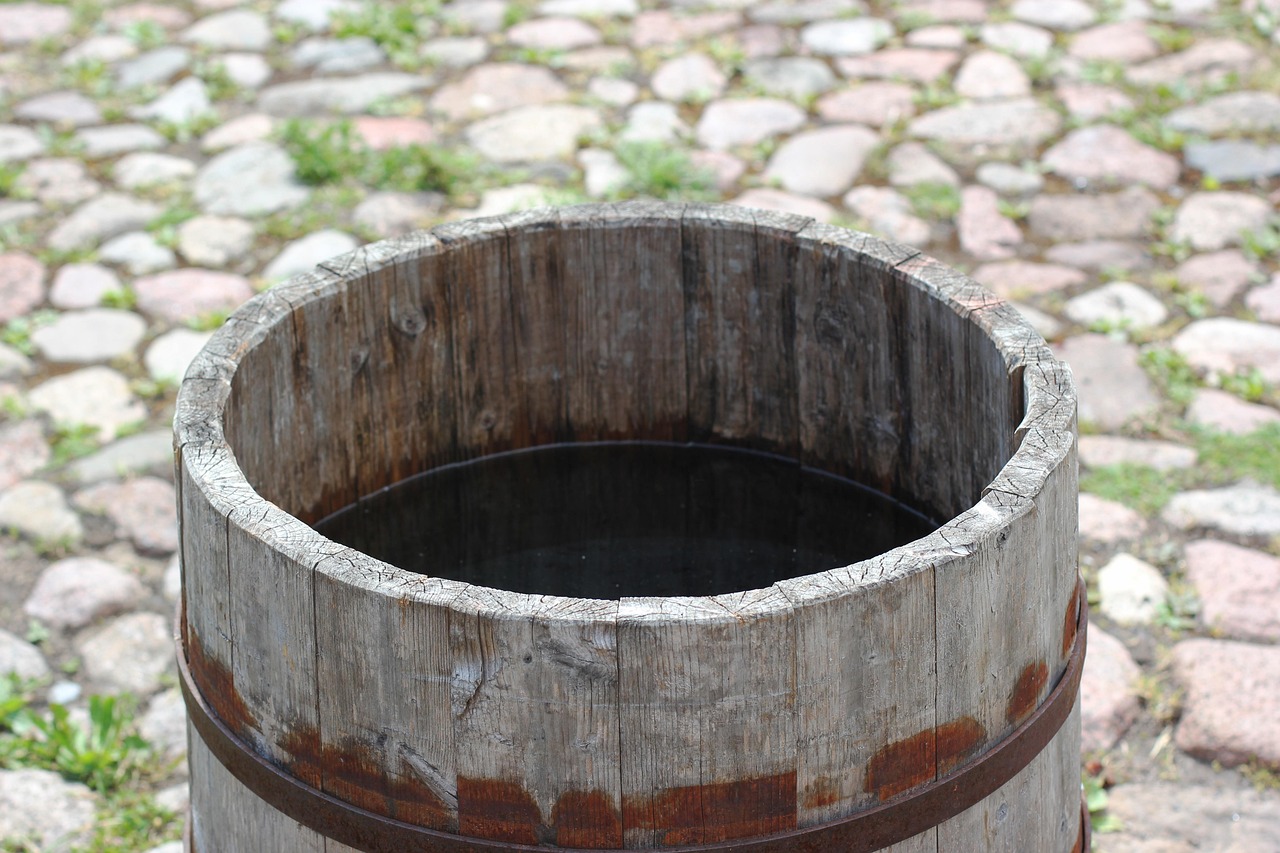
Water is the quiet make-or-break of any homestead. You can live without electricity far more easily than you can live without water, and hauling it by hand gets old fast. We started harvesting rainwater not out of some grand plan but because our well ran low one dry August and we needed a buffer. What began with two plastic barrels under a downspout has grown into a small system that waters our garden, fills the chicken waterers, and gives us a few hundred gallons of emergency storage.
The simplest place to start is a single downspout. A standard roof sheds a surprising amount of water in even a modest storm, and most of it currently runs into your yard or foundation. Divert one downspout into a barrel and you have free water within an afternoon. The only tools you need are a hacksaw, a drill, and a spigot kit from the hardware store. Put the barrel on a sturdy stand so gravity gives you a little pressure, and keep a screen over the inlet to keep out leaves and mosquitoes.
Food-grade barrels are the cheapest entry point, usually available used from farm supply stores or classifieds. They hold around fifty gallons each, and you can daisy-chain several together with simple hose fittings so they fill and drain as one unit. If you have more space and budget, an IBC tote holds about 275 gallons and fits neatly against a barn wall. We picked up ours used and wrapped it in shade cloth to slow algae growth.
The real constraint is not the barrel, it is the overflow. When your storage is full, the water has to go somewhere safe. We run a overflow hose to a swale in the garden so excess soaks in rather than pooling at the foundation. That single detail has saved us from a soggy crawlspace more than once. If you live somewhere with heavy rain, plan for overflow before you plan for storage.
Rainwater off a roof is not sterile, and you should think about what it touches on the way down. Asphalt shingles shed grit and trace chemicals, so we do not drink untreated roof water. For the garden, the animals, and washing tools, it is excellent. A first-flush diverter, which dumps the first dirty minutes of rain before it enters your barrel, makes a big difference in how clean your stored water stays.
Keep barrels covered and screened to stop mosquitoes and to block sunlight that feeds algae. If water sits a long time, it can grow a little green film, which is harmless for plants but ugly. We use our stored water regularly, so it rarely sits more than a few weeks. For drinking water in a true emergency, we would filter and boil, and we keep a gravity filter on hand for that reason.
The best part of rainwater harvesting is how modular it is. You can start with one barrel and add another whenever you find a deal. You can run a line to a soaker hose and let the garden water itself. You can fill buckets for the goats without walking to the spigot. None of it requires a permit in most rural areas, though it is worth checking local rules, especially in the dry West. Start with the downspout closest to where you need water, and let the system grow as you learn.
