Homestead Skills
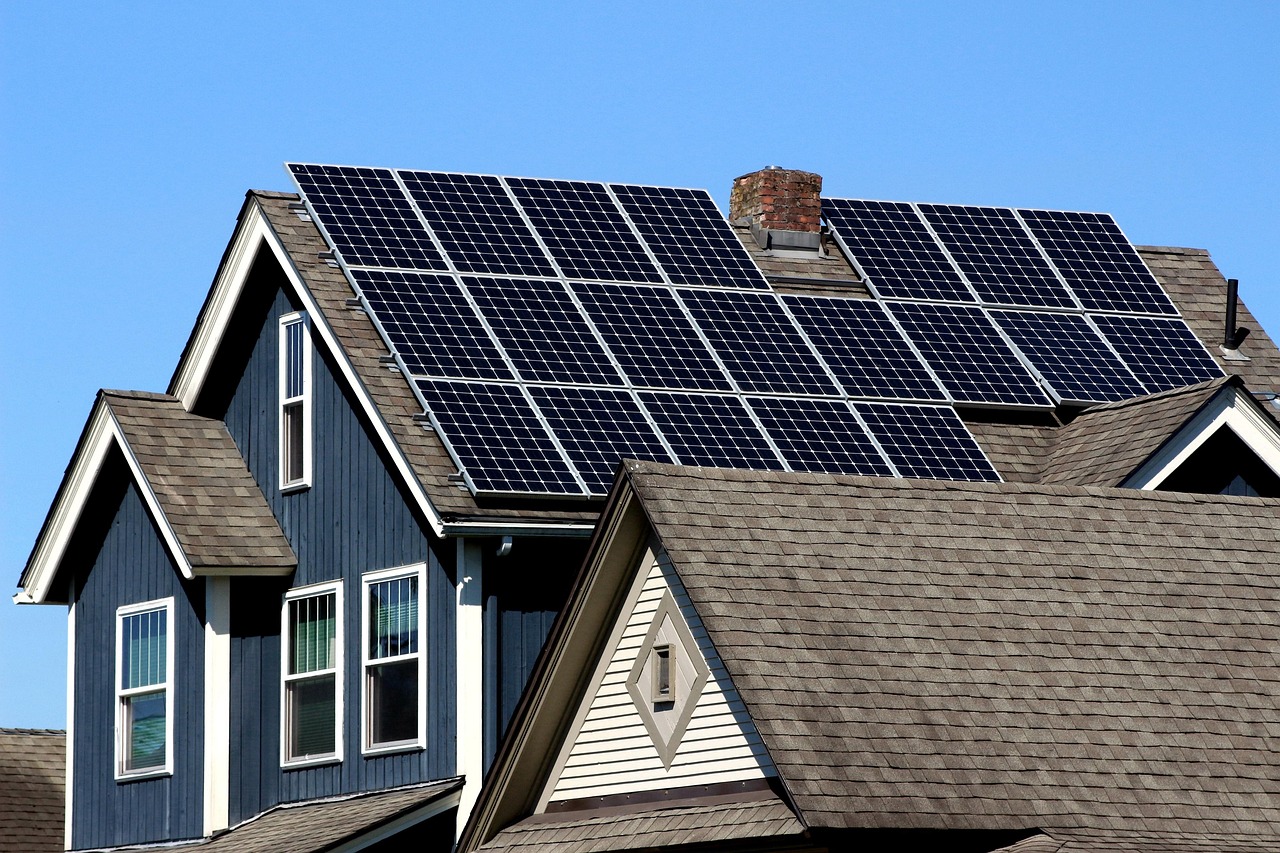
Going completely off-grid with solar is a big project, and it is not the right first step for every family. Many homesteaders start by adding a small solar system while still connected to the utility grid, which lowers their bills, keeps the lights on during outages, and teaches them how energy actually works in their home. We began with a single panel and a deep-cycle battery to run a few lights and a phone charger. That tiny setup taught us more than any book, and it gave us the confidence to expand later.
A basic solar system has four main parts: panels, a charge controller, a battery bank, and an inverter. The panels collect sunlight and turn it into direct current electricity. The charge controller regulates how much power goes into the batteries so they are not damaged by overcharging. The batteries store that power for use at night or on cloudy days. The inverter changes the stored direct current into the alternating current that most household appliances need. If you stay connected to the grid, you can skip the batteries and use a grid-tie inverter, which sends excess power back to the utility. That is cheaper and simpler, but it does not keep your fridge running during a blackout.
For a family that wants backup power, a small battery-based system is the better choice. You can start with a single 100-watt panel, a modest charge controller, one or two deep-cycle batteries, and a small inverter. That will run LED lights, a laptop, a fan, and a phone charger, which is enough to keep a room comfortable during an outage. As your budget allows, you add more panels and batteries. The important thing is to size your battery bank to your actual usage, not to a fantasy of running the whole house. Most families find that a few hundred watts of panels and a couple of hundred amp-hours of battery capacity cover their essential loads.
Before you buy anything, measure how much power you use. A simple plug-in meter can tell you what your fridge, freezer, and well pump draw. Write down the watts and the hours each device runs, and add them up. That number, in watt-hours, is your daily target. Then look at your sun exposure. Panels need clear southern exposure for most of the day, and even partial shade can cut their output dramatically. If your roof is shaded, a ground-mounted array may be a better choice.
Safety matters, especially with batteries. Use proper fuses and breakers, keep batteries in a vented space, and never mix old and new batteries in the same bank. If you are not comfortable working with electricity, hire a licensed electrician for the final connections. Many families also check with their utility before installing a grid-tie system, because rules and permits vary widely. Start small, learn as you go, and let your system grow with your needs. Solar is not magic, but it is one of the most satisfying skills a homesteading family can learn.
