Gardening
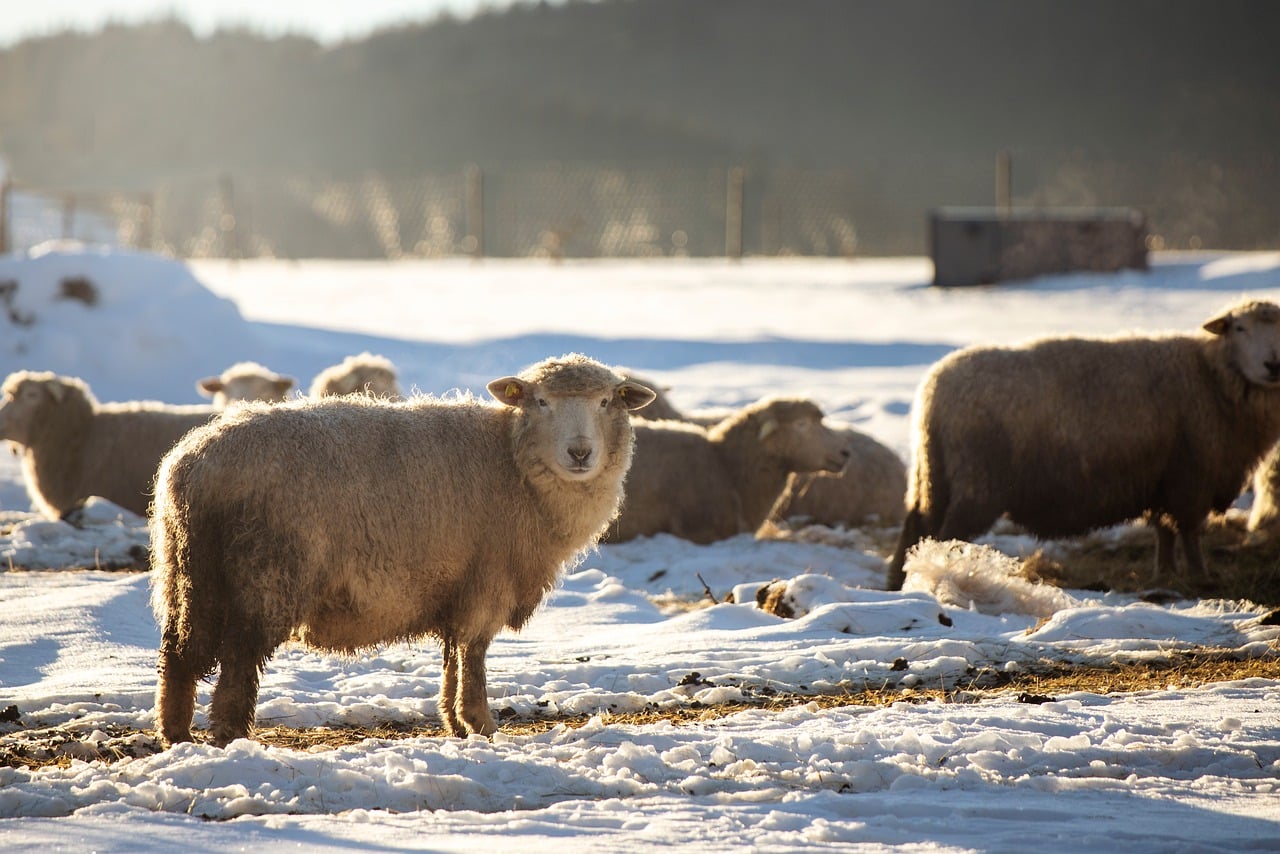
If there is one skill that every homesteader learns the hard way, it is fencing. Our first goat pen was a joke, and the goats knew it before we did. They were out within an hour, and we spent the rest of the day chasing them through the neighbor's hayfield. Since then, we have built and rebuilt fences for chickens, goats, pigs, and a garden, and we have learned that good fencing is less about strength and more about understanding the animal you are trying to contain.
Chickens are the easiest to fence if you remember two things: they can fly, and predators dig. A simple electric net fence works well for containing them during the day, but at night they need a secure coop or a covered run. Raccoons, foxes, and hawks are all clever and persistent, so hardware cloth is better than chicken wire, and an apron of wire buried at the base stops digging predators. We also run a strand of electric wire around the top of our run to discourage climbing raccoons.
Goats are a different challenge. They are escape artists, and they will test every weak spot. Woven wire field fence with a strand of electric wire at the top and bottom works well, and the posts need to be set deep because goats love to rub against them. Pigs are easier to contain with electric wire, but they will root under a fence if it is not hot enough, so a strand low to the ground is essential. Cattle need strong posts and tight wire, and they respect a good electric fence once they learn it. The common thread is that electric fencing, when installed correctly, is the most effective and affordable tool for most homestead animals.
Good fencing starts with good posts. We use treated wood or metal T-posts, set at least two feet deep, and we brace the corners and ends because that is where fences fail first. Wire should be stretched tight, with no sagging, and every gate should swing freely and latch securely. We check our fence line every week, walking it slowly and looking for loose staples, broken wires, and signs of digging. That weekly walk has saved us more than once, because a small problem is easy to fix and a big one means lost animals.
Predators are the other half of the equation. A fence that keeps animals in does not always keep predators out, especially at night. We use a combination of electric wire, secure shelters, and a livestock guardian dog to protect our flock. Motion lights and radios can help, but they are not a substitute for a solid fence and a good shelter. If you have a problem with a specific predator, talk to neighbors and your local extension office, because solutions vary by region. Fencing is not glamorous work, but it is the foundation of a safe and peaceful homestead. Build it right the first time, and you will spend far less time chasing animals and more time enjoying them.
