Homestead Kitchen
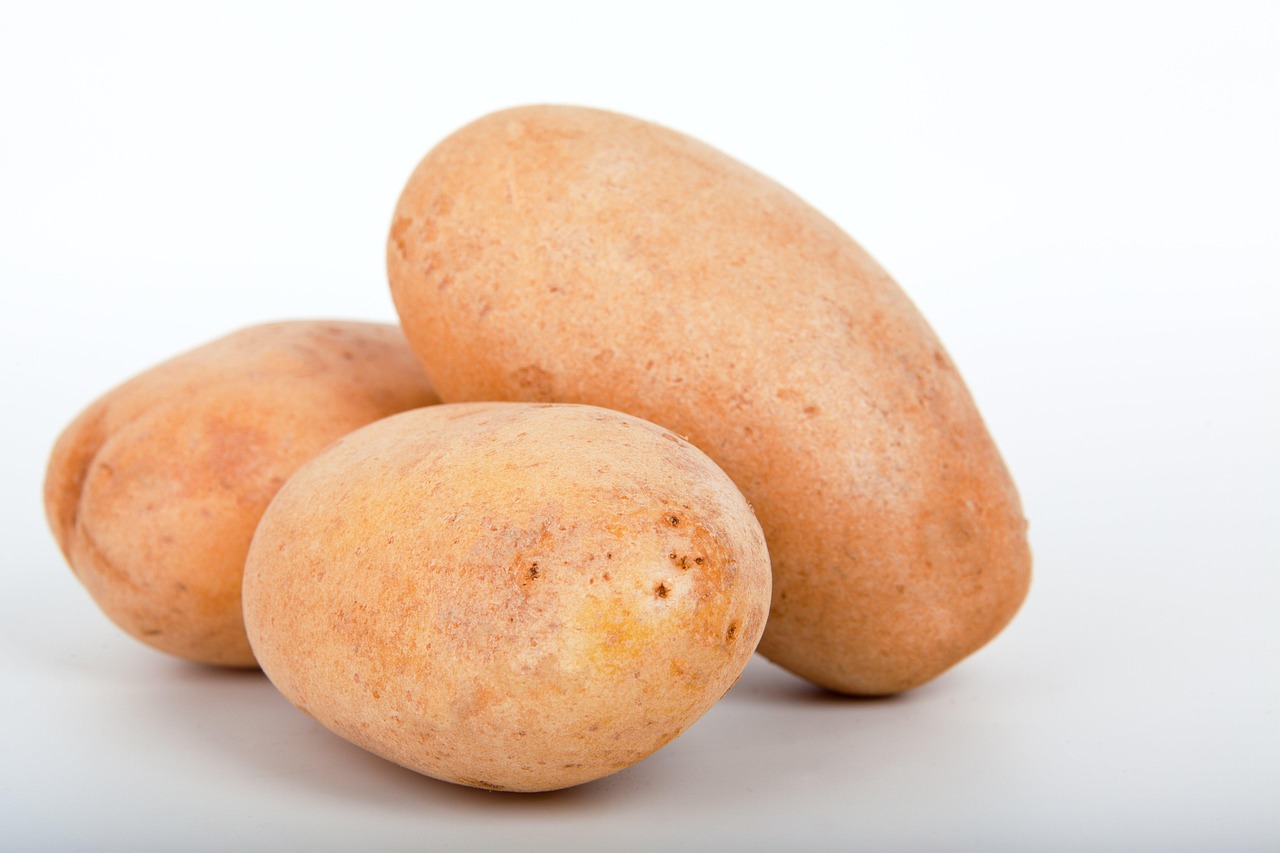
One of the biggest surprises of homesteading was learning that you do not need a traditional basement to store food through the winter. Our first year, we lost a whole bin of potatoes to a warm corner of the garage. The next year, we built a simple root cellar in the ground, and it changed how we eat from October through March. The principle is old and simple: keep root crops cool, dark, and slightly humid, and they will hold for months. You just have to find or create those conditions on your property, even if you live on a small lot.
The easiest option is an unheated corner of a basement or crawlspace, but if you do not have one, you can still make it work. An unheated garage, a shed that stays above freezing, or a north-facing closet can all serve if you insulate them properly. The goal is to keep the temperature between about 32 and 40 degrees Fahrenheit and the humidity high enough that the vegetables do not shrivel. A thermometer and a cheap hygrometer will tell you whether a space is suitable before you commit to it.
For a true underground cellar, the old-fashioned method is a pit or trench lined with straw and boards. You dig a hole, line the bottom with gravel for drainage, and layer root crops in straw or sand. A simple wooden lid keeps out rain and animals, and a vent pipe lets excess moisture escape. This works surprisingly well in cold climates, though you need to open it on mild days to prevent overheating. A more permanent version is a buried barrel or a small concrete room built into a hillside, but even a few buried trash cans with tight lids can store a surprising amount of food if you monitor them.
Indoor options are also worth considering. A cool closet against an exterior wall, an insulated box near a north window, or a spare refrigerator set to its warmest setting can all hold root crops. We use a mix of methods: a buried barrel for potatoes and carrots, a cool shelf in the mudroom for winter squash, and a small fridge for apples, which need colder conditions than most other crops. The key is to test each space for a week before you trust it with your harvest.
Not every vegetable stores well. Potatoes, carrots, beets, turnips, parsnips, onions, garlic, winter squash, and apples are the classics. Cure them first: potatoes and squash need a week or two in a warm, dry place to toughen their skins, while onions and garlic need to dry until the tops are papery. Do not wash root crops before storage; brush off the dirt and leave a little soil on them. Layer them in straw, sand, or sawdust, and keep different crops separate because some, like apples, give off ethylene gas that can cause others to sprout or spoil.
Check your stores every couple of weeks and remove anything that shows signs of rot. One bad apple really can spoil the whole bin. With a little practice, you can eat homegrown carrots in February and still have potatoes for spring planting. A root cellar is not about perfection; it is about buying yourself time and keeping the harvest you worked so hard to grow.
