Off-Grid Living
Every spring, garden catalogs promise abundance, and every fall, a lot of us end up with three zucchini and a handful of sad tomatoes. The gap between a hobby garden and a garden that actually feeds a family is not luck or a green thumb. It is crop choice, timing, and a willingness to grow boring, high-yield things instead of just the fun ones.
We feed our family of five from roughly a quarter acre of intensive beds, plus some perennial plantings. We are not self-sufficient, and I would never claim to be. We still buy flour, oil, and coffee. But from May through October, most of our vegetables and a good chunk of our calories come from the garden, and we put up enough to carry us through winter. Here is what we have learned about making a small garden pull its weight.
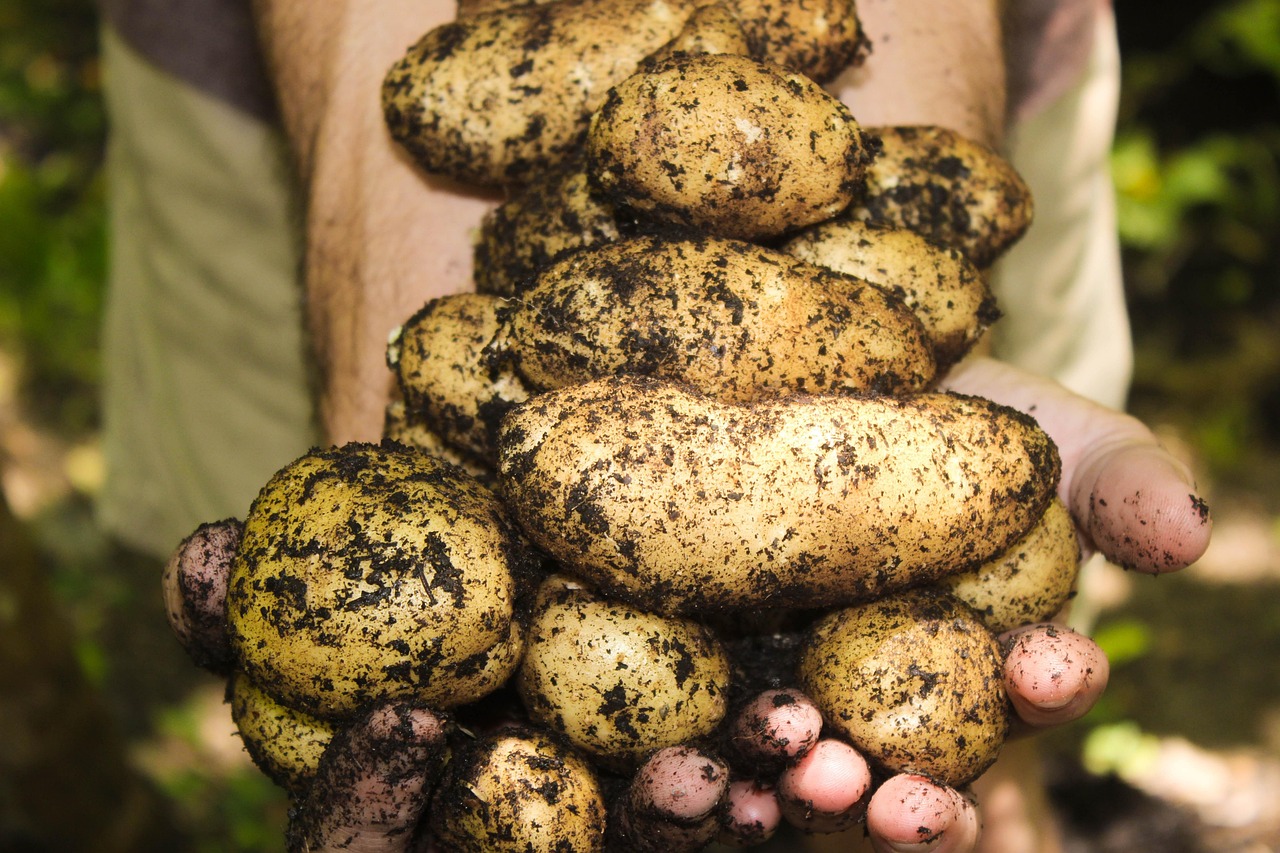
The biggest mistake new gardeners make is planting only things that are light and watery. Lettuce, cucumbers, and herbs are wonderful, but they will not fill a child's stomach. If you want the garden to feed people, you need calorie crops. Potatoes, sweet potatoes, winter squash, dry beans, and corn are the workhorses. They store well, they are filling, and they produce serious weight per square foot.
We devote about half our space to these crops and the other half to everything else. Potatoes go in early beds and get dug as new potatoes through summer, with the main crop stored in a cool closet. Winter squash vines run along the fence and up trellises, and they keep for months without any processing. Dry beans are the most underrated crop in the home garden. They fix nitrogen, they store forever in jars, and a small patch yields pounds of protein.
Greens deserve a mention because they are fast and reliable. Kale, chard, and collards produce for months from a single planting, and they tolerate cold, which means fresh food in November when everything else is done. We plant them in succession so there is always something to cut.
A garden that feeds a family needs to produce steadily, not all at once. We plant small amounts of fast crops every two to three weeks through the season. A row of bush beans planted in May, June, and July gives us fresh beans for months instead of a two-week flood. The same goes for beets, carrots, and lettuce. Succession planting is the single best trick for turning a small space into a steady supply.
When there is a surplus, we preserve it. We can tomatoes, freeze green beans, dry herbs and peppers, and cure winter squash and onions. Fermenting cabbage into sauerkraut is cheap and needs no electricity. Root cellaring is just a cool, dark corner of the basement with a thermometer. The goal is not to preserve everything, which is exhausting, but to catch the gluts so nothing rots on the counter.
Finally, build your soil. Compost everything you can, mulch heavily, and do not till more than you must. Healthy soil holds water, feeds plants slowly, and produces more food with less fuss. A small garden with great soil will outproduce a large one with poor soil every time. Start with the crops that store and fill, add the fun stuff around the edges, and plant a little more than you think you need. The garden will teach you the rest.
